Rwanda Weather by month. Rwanda is definitely fun to visit at any time of the…
Where Do Shoebill Storks Live? Facts and how to see them
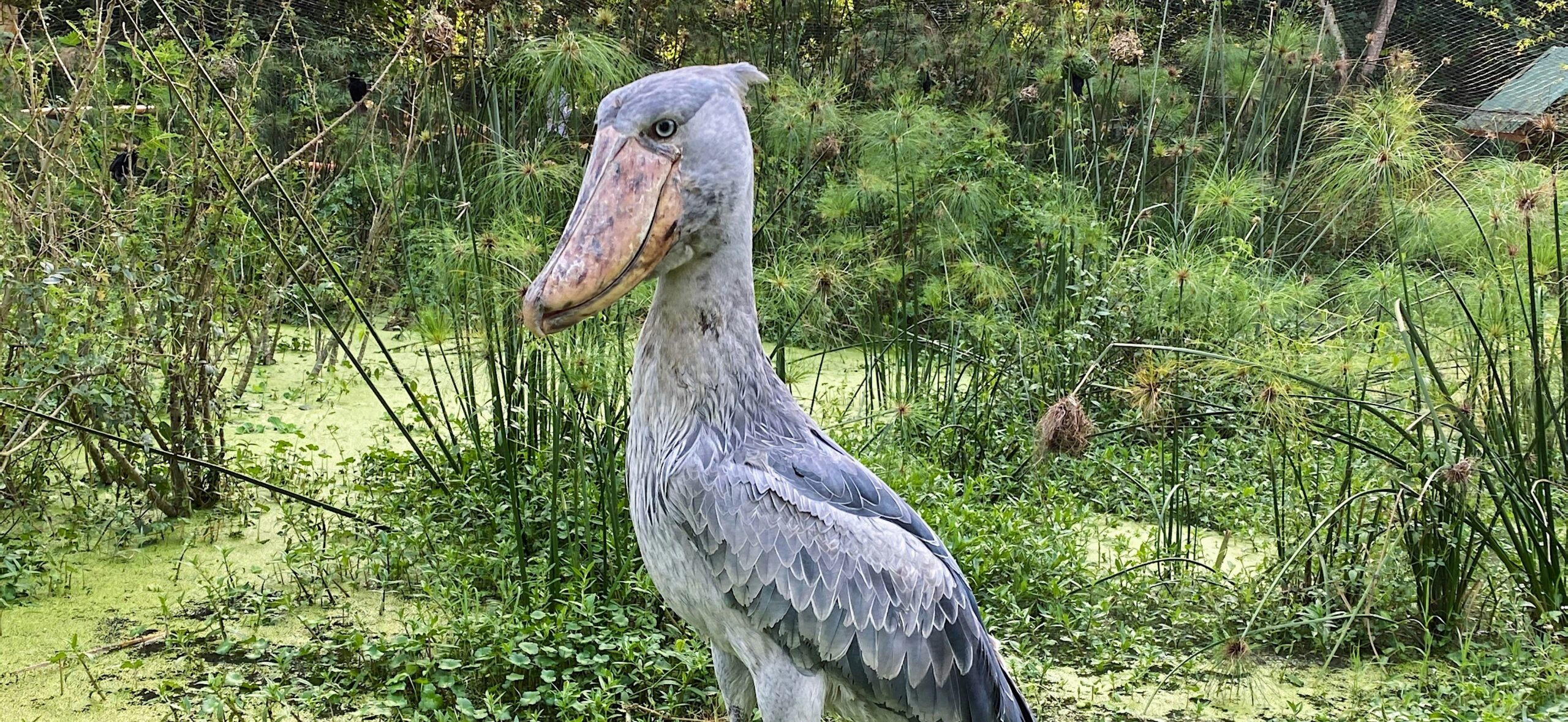
Many people see photos of the shoebill stork, and think it is not real because of its large bill and serious expression. The shoebill stork is one of Africa’s most unusual birds. Their scientific name is Balaeniceps rex. They live in parts of East and Central Africa and are known for their unique look, that some question is real. This guide answers the most common questions, such as where do shoebill storks live?, from repeated birding excursions with international travelers in Mabamba Swamp and Nile delta boat safaris in Murchison Falls in Uganda.
Where do shoebill storks live?
Shoebill storks live in large, quiet wetlands with slow-moving water and thick vegetation. If you are asking where do shoebills live or where are shoebills found, the answer is always the same. They prefer swamps, marshes, and floodplains where fish are abundant and human activity is limited. In East Africa, Uganda is the most reliable place to see them. The best-known location is Mabamba Swamp, near Entebbe on Lake Victoria. From our experience conducting tours for bird-watchers and enthusiasts, this is the easiest and most consistent place to track a shoebill, especially at the beginning or end of a trip.
However, where you see them during a safari often depends on your route. If you are starting or ending your journey in Entebbe, Mabamba Swamp is the most logical option. It is close, accessible, and can be done as a half-day excursion. If you are coming back from a longer circuit, for example after gorilla trekking in Bwindi, it may not make sense to return all the way to Mabamba. In this case, the closest opportunities are in wetlands around Murchison Falls National Park, particularly in the Nile delta, where shoebills are sometimes seen during boat safaris. There are also occasional sightings in wetland areas near Kibale, although these are less predictable. For most travelers, the decision is ultimately about where they can be seen most efficiently within the flow of a larger itinerary.
Mabamba, located near Entebbe on Lake Victoria, is widely recognized as one of the strongest remaining habitats for the species. Conservation groups in Uganda note that the wetland supports over 300 bird species and provides ideal conditions for shoebills due to its papyrus vegetation and abundance of lungfish, one of their main food sources.
Can shoebill storks fly?
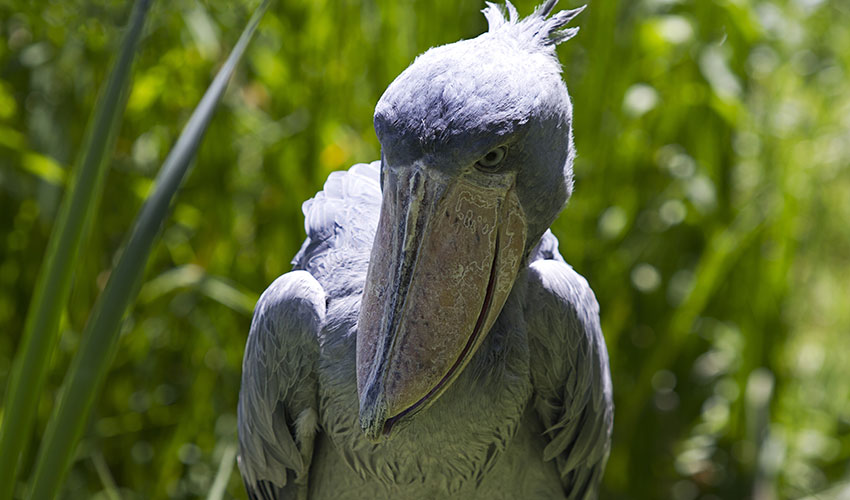
Yes, shoebill storks can fly, although they do not do so often. They have large, powerful wings and are able to move between wetland areas when needed. However, they prefer to remain still and conserve energy. When they do fly, it is usually slow and controlled, covering short distances. This is why many people ask if shoebill storks fly at all. Their stillness can make them seem almost unmoving, but they do take flight when necessary.
How big is a shoebill stork?
A shoebill stork is a very large bird. It can grow between 110 and 140 centimeters tall, which means it can reach about chest height on an adult person. Its wingspan can reach up to 2.5 meters, and it usually weighs between 4 and 7 kilograms. When people ask how tall a shoebill stork is or how big shoebill storks are, the answer is simple. They are large, strong, and very noticeable in the wild.
What do shoebill storks eat?
Shoebills are carnivores. They mainly eat fish such as lungfish and catfish, but they also feed on frogs, snakes, and small reptiles. They hunt in a very calm and patient way. They can stand still for a long time before striking quickly when prey appears. Their large bill helps them catch and crush animals in wet conditions. If you are wondering what shoebill storks eat, they are best understood as quiet, precise hunters of the swamp.
Are shoebill storks dangerous?
Shoebill storks are not dangerous to humans. They are solitary birds that prefer to avoid contact and will usually stay calm if left undisturbed. Their strong bill and intense stare can feel intimidating, especially for first-time visitors. However, from our experience guiding clients, they are peaceful animals when observed from a respectful distance. Ecological data is based on conservation reports and field observations from guided safari operations in Uganda.
How many shoebills are left?
Shoebills are classified as a vulnerable species, and their population is declining. Estimates vary slightly depending on the study, but global numbers are generally placed between 3,000 and 8,000 individuals. According to Uganda Wildlife Authority monitoring reports, the species faces ongoing threats from habitat loss, human disturbance, and illegal wildlife trade. In key sites like Mabamba, conservation efforts now focus on community involvement, monitoring, and sustainable tourism. Local initiatives have shown that protecting shoebills also supports livelihoods, especially through birding tourism and guiding. This is why understanding where do shoebill storks live is critical. Protecting these wetlands is directly linked to the survival of the species.
Why shoebills matter for conservation tourism
Shoebills are a sign of healthy wetlands. Where they live, many other animals and plants also survive. For our clients, seeing a shoebill is not just about the bird. It is about visiting places that are quiet, natural, and less crowded. These experiences support conservation and local communities. When travelers understand where do shoebill storks live, they also begin to understand the importance of protecting Africa’s wetlands.
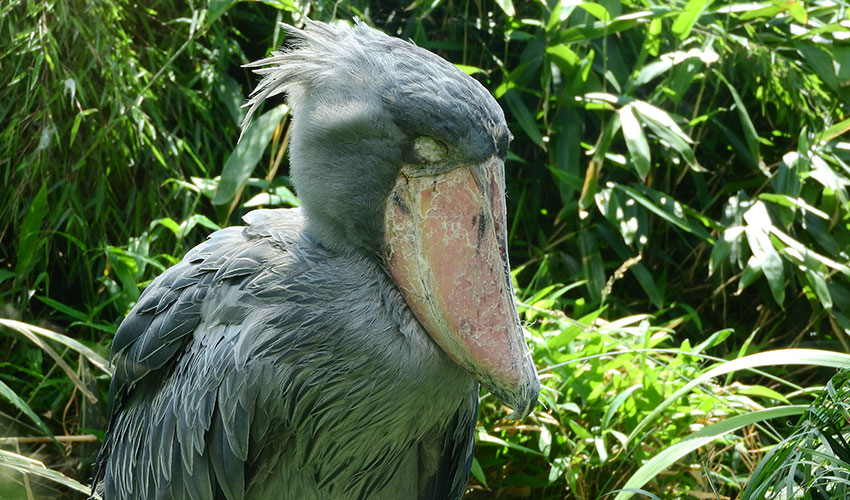
In a nutshell, Shoebill storks are large, rare wetland birds found mainly in East Africa, especially Uganda. They are not dangerous to humans, but they are powerful, solitary birds with a striking appearance that often makes people wonder if they are real. Adult shoebills grow very large, often reaching 110 to 140 cm in height with a wingspan of up to 2.5 metres. In East Africa, the best place to see them is Uganda’s Mabamba Swamp near Entebbe, especially at the start or end of a safari. Depending on your route, they can also be spotted in wetland areas of Murchison Falls National Park, particularly in the Nile delta during boat safaris.
If you are planning a birding-focused journey in Uganda or combining it with a wider East African safari, you can contact us at Beyond Kigali Tours to help design the right route and timing for a shoebill experience. You can also explore some of our birding and wetland experiences here to see how shoebills and other rare species can be included in your itinerary.

Related Posts