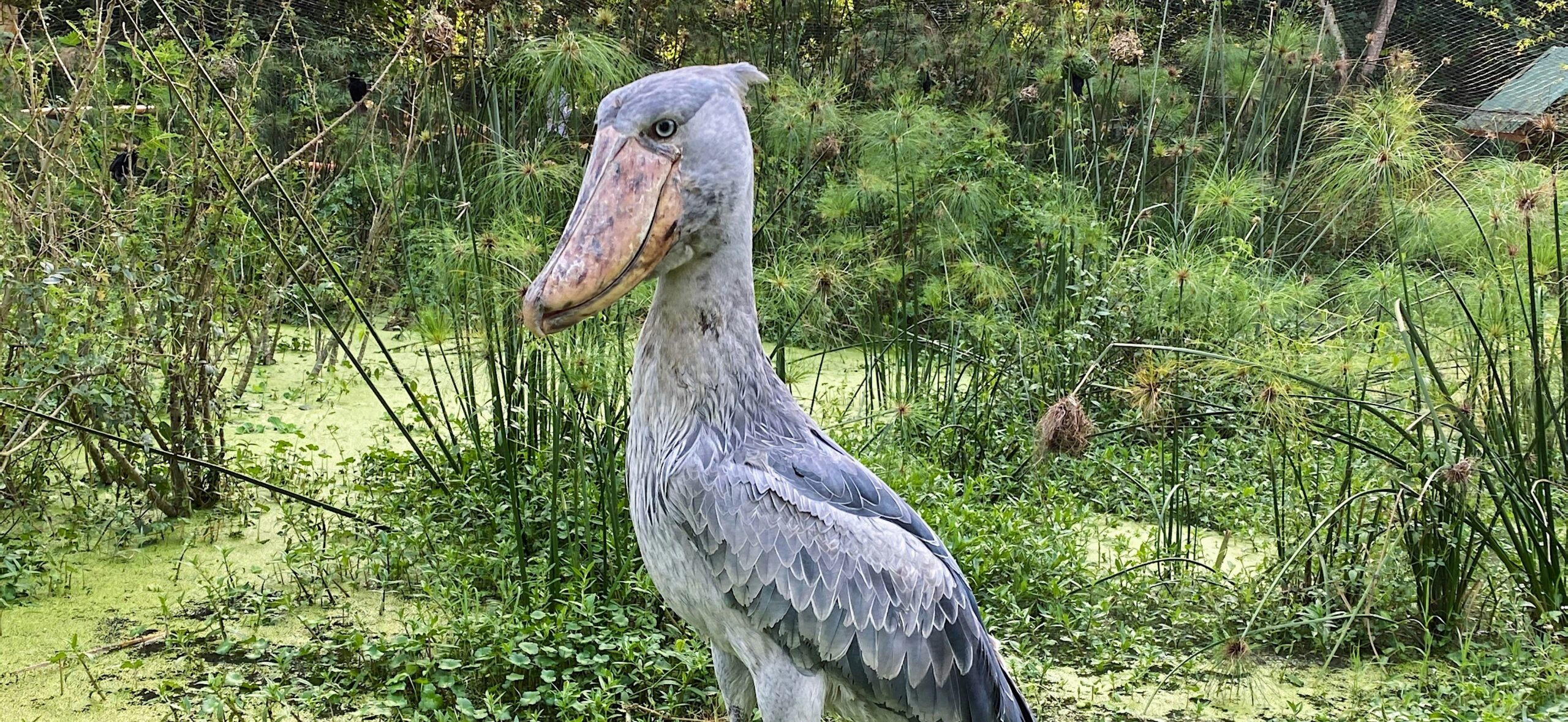
Many people see photos of the shoebill stork, and think it is not real because…
When is the Best Time to Go to Rwanda?
Rwanda Weather by month.
Rwanda is definitely fun to visit at any time of the year, however, the time of year when you choose to visit can shape how you experience the country. While it might be difficult to explicitly define the best time to go to Rwanda for tourists, it is widely agreed that June- August are particularly favorable for wildlife viewing in Akagera , and primate tracking in Nyungwe and Volcanoes National Park, as well as visiting the lakes and beaches. This is because this season typically has the lowest instances of rain, despite also being cooler than months like February. In this post, we will break down Rwanda’s weather by month/ season and explain why certain seasons are more preferrable than others.
As a Rwanda-based tour operator that organizes gorilla trekking, chimpanzee tracking, wildlife safaris, and cultural tours throughout the country year-round, we regularly experience Rwanda’s changing weather conditions firsthand. This guide combines our local tourism experience and understanding of Rwanda’s seasonal climate patterns to help our travelers choose the best time to visit based on their interests.
Read: New Rwanda Gorilla Trekking Prices for 2026 Explained
Rwanda’s Climate
Although Rwanda lies just south of the Equator, because of it,s elevation, the temperature remains comfortable and relatively constant throughout the year. Most of our clients are surprised to find that Rwanda rarely experiences extreme heat. Instead, the main difference between seasons is the amount of rainfall.
The weather can vary between regions. Volcanoes National Park is usually cooler and wetter due to its high altitude. Nyungwe Forest receives significant rainfall throughout the year because of its mountainous rainforest environment. Akagera National Park, in eastern Rwanda, is typically warmer and drier than the country’s mountain and forest regions.
January
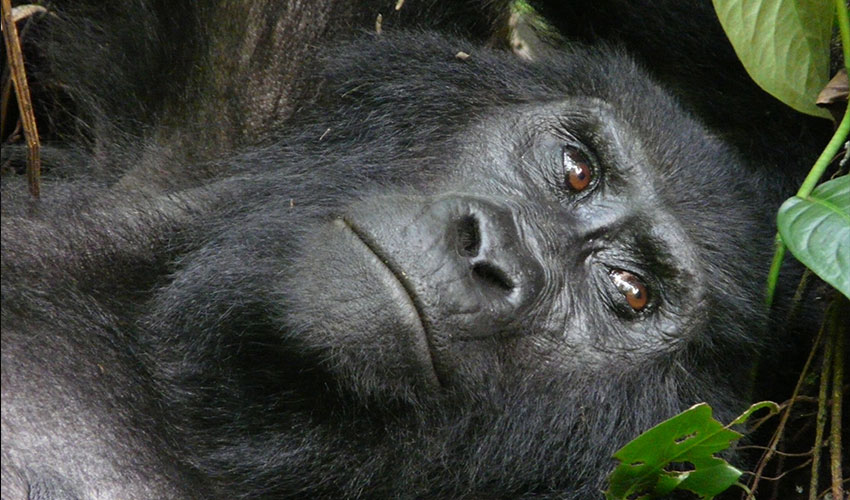
January is part of Rwanda’s short dry season. Days are generally warm and sunny with occasional afternoon showers. Temperatures in Kigali average between 16°C and 27°C. Rainfall is relatively low compared to the wet seasons, making this a good month for gorilla trekking in Volcanoes National Park and chimpanzee tracking in Nyungwe Forest. Wildlife in Akagera National Park is often easier to spot as animals gather around water sources.
February
February remains mostly dry and is often one of the warmest months of the year. Temperatures range from 16°C to 28°C in many parts of the country. Game viewing in Akagera is excellent, with shorter grass and easier access to park roads. Gorilla trekking conditions are generally comfortable, although occasional rain showers can still occur.
March
March marks the beginning of the long rainy season. Temperatures remain pleasant, usually between 16°C and 27°C, but rainfall increases noticeably. The landscape becomes greener and more lush. Birdwatchers enjoy this period as many migratory species are present. Wildlife viewing in Akagera remains good, although some roads can become muddy after heavy rain.
Also See: Rhino Trekking in Akagera National Park
April
April is typically the wettest month of the year. Rainfall is heavy and frequent, with cloudy conditions common throughout the month. Temperatures generally range from 15°C to 26°C. Trails in Volcanoes and Nyungwe can become slippery, making trekking more challenging. However, gorilla trekking continues year-round and the forests are at their most beautiful. Wildlife in Akagera may be harder to spot as animals disperse across the park due to abundant water.
May
May remains wet, although rainfall usually starts decreasing toward the end of the month. Temperatures average between 15°C and 25°C. The countryside remains vibrant and green. Gorilla trekking can still be rewarding, and birdwatching is excellent. Visitors should expect muddy hiking trails and occasional travel delays due to rain.
June
June marks the start of the long dry season. Rainfall drops significantly and temperatures range from 14°C to 26°C. This is one of the best months to visit Rwanda. Trekking conditions improve considerably, roads are dry, and wildlife viewing in Akagera becomes easier as animals begin concentrating around permanent water sources. June is also often thought of as the best time to go to Rwanda, particularly because of the weather, and abundance of social events as a result of western summer.
July
July is one of the driest months of the year. Days are sunny and comfortable, while mornings and evenings can feel cool, especially in higher-altitude areas. Temperatures generally range from 14°C to 26°C. This is peak season for gorilla trekking, chimpanzee tracking, hiking, and safaris. Visibility is often excellent for photography, and wildlife viewing in Akagera is at its best.
August
August remains dry and pleasant. Temperatures are similar to July, usually between 14°C and 27°C. Trails in Volcanoes National Park and Nyungwe Forest are typically in excellent condition. Wildlife viewing remains strong in Akagera, and birdwatching is still rewarding despite fewer migratory species. August is sometimes considered the best time to go to Rwanda because of the favorable temperature, and the friendly wildlife viewing experience as the animals enjoy the outdoors.
September
September is generally dry at the beginning of the month, with rainfall increasing toward the end. Temperatures range from 13°C to 27°C. Wildlife viewing remains very good in Akagera. The changing season also creates beautiful green landscapes while maintaining relatively good trekking conditions.
October
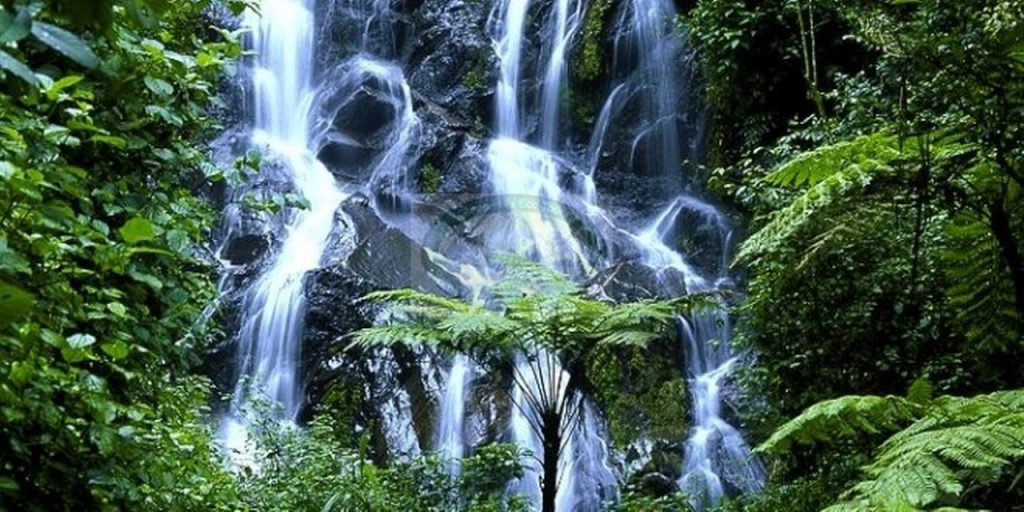
October marks the beginning of the short rainy season. Rainfall increases, although it is usually less intense than during April and May. Temperatures average between 14°C and 26°C. Forests become greener and waterfalls in Nyungwe become more impressive. Gorilla trekking remains possible every day, but visitors should prepare for muddy trails and occasional rain.
November
November is one of the wetter months of the year. Rainfall can be frequent, particularly in the afternoons. Temperatures generally range from 14°C to 26°C. Birdwatching is excellent as migratory birds return. The scenery across Rwanda is particularly beautiful, although safari sightings in Akagera can be slightly less predictable due to abundant water and vegetation.
December
December sees rainfall gradually decrease, especially toward the second half of the month. Temperatures range between 13°C and 26°C. The Christmas and New Year period is popular with visitors. Gorilla trekking conditions begin improving, while wildlife viewing in Akagera becomes easier as the dry season approaches.
Best Time to Visit Rwanda
For gorilla trekking, chimpanzee tracking, hiking, and general sightseeing, June to September and January to February usually offer the most comfortable conditions. For wildlife safaris in Akagera National Park, the dry months from June to September and January to February often provide the best game viewing opportunities. When it comes toirdwatching, the rainy seasons from March to May and October to November can be especially rewarding due to lush habitats and migratory bird activity. No matter when you visit, Rwanda’s temperatures remain remarkably stable throughout the year. Most destinations experience daytime temperatures between 25°C and 27°C, while mornings and evenings can be cool, particularly in the mountains and forests.
Also See: A Guide to Waterfalls in Rwanda

Related Posts